In the modern retail landscape, the journey of a product from the factory floor to the consumer’s bedroom is no longer a silent logistical process. Instead, it has become a vital component of the brand story. In the mattress industry specifically, packaging has evolved from a mere protective layer into a sophisticated tool that shapes consumer perception, ensures product integrity, and reflects a company’s commitment to global sustainability. As the final touchpoint in the manufacturing cycle, packaging carries the weight of the brand’s promise, that the product inside is as pristine, hygienic, and high-quality as advertised.
The gateway to consumer experience
The consumer’s interaction with a brand begins long before they lie down for their first night’s sleep. It begins the moment the delivery truck arrives. In an era of high expectations and instant social media feedback, the unboxing experience has become a critical marketing frontier. For bulky products like mattresses, which are difficult to maneuver and sensitive to environmental contaminants, the packaging serves as the primary guardian of the consumer’s investment.
1. First impressions and hygiene
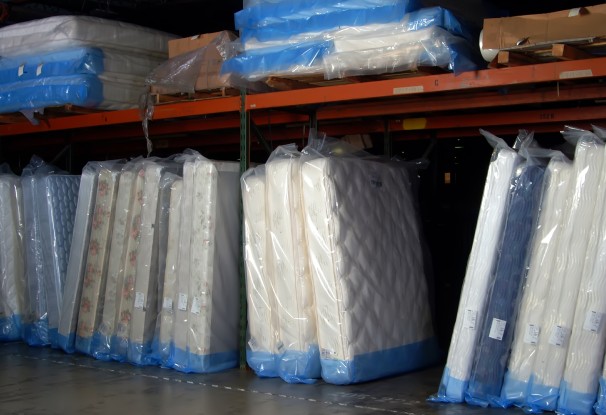
Today’s buyers are more discerning than ever. They expect packaging that is not only sturdy but also visibly hygienic. A mattress is an intimate purchase, the thought of it being exposed to dust, moisture, or pests during transit can lead to immediate consumer dissatisfaction. Protective layers must ensure that the mattress reaches the bedroom in perfect condition. ”The mattresses come in a double protective cover with cardboard boxes on the corner, This ensures no damages are done during transportation between the warehouses and the retail stores”, says S.Kadam, Proprietor, Mattress Gallery, Nashik.If the outer shell appears compromised torn, soiled, or flimsy, the consumer’s trust in the product itself is instantly diminished, often leading to costly returns before the mattress is even unwrapped.
2. Ease of handling in a bulky industry
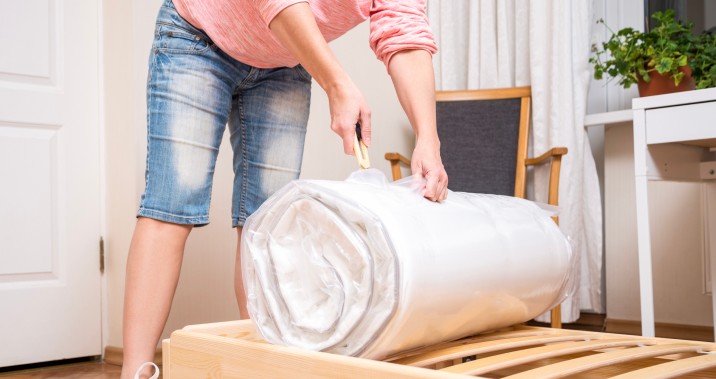
Mattresses are notoriously bulky products. Managing their movement through the supply chain is a significant challenge in manufacturing. To improve the consumer experience, manufacturers are focusing on packaging that makes these heavy items easy to handle. Whether through reinforced grips, integrated rollers, or bed-in-a-box compression technology, the goal is to reduce the physical burden on both the delivery personnel and the end-user.
Reducing returns through protective engineering
Product returns are a major logistical and financial drain on the mattress industry. A significant percentage of these returns are not due to product defects, but rather handling damages incurred during transportation. Packaging is the first line of defense against these damages. To combat this, leading brands have integrated packaging into their automated production lines. At the final stage of manufacturing, automation is used to ensure the packaging is applied with precision. For instance, some facilities utilize automated dispensers that feed mattresses into packaging machines one by one, ensuring a consistent and tight fit that prevents the mattress from shifting within its skin.
The health impact
Historically, the mattress industry relied heavily on PVC (Polyvinyl Chloride) for packaging. PVC was favored because it provided a high-gloss, premium appearance that made the product stand out on the retail floor. However, as the industry moves toward a more health-conscious and transparent model, the use of PVC is being increasingly scrutinized. PVC is known to be a carcinogen and contains phthalates and other additives that can off-gas into the home environment. Given that mattresses are often unpacked in
The sustainability shift : Rise of LDPE
As sustainability becomes a non-negotiable priority for global consumers, mattress manufacturers are exploring eco-friendly alternatives. Leading brands like Sleepwell and Kurlon have taken a proactive stance by adopting LDPE (Low-Density Polyethylene) for their packaging needs.
The shift to LDPE is quite obvious as it is significantly more environmentally friendly than PVC. It is more readily recyclable and does not release the same toxic byproducts during its lifecycle. Beyond its green credentials, LDPE offers several functional benefits:
- Flexibility and strength : It provides the durability needed to protect heavy mattresses without being brittle.
- Moisture resistance : It acts as an effective barrier against humidity, which is critical for maintaining the integrity of foam and coir layers.
- Brand appeal : While it may lack the aggressive shine of PVC, itoffers a clean, professional finish that signals a green and responsible brand identity to the consumer.
The shift to LDPE is part of a larger trend toward reducing the carbon footprint of the manufacturing process. By using materials that can be reintegrated into the circular economy, brands like Sleepwell and Kurlon are aligning themselves with the values of the modern, eco-conscious buyer. This shift enhances brand appeal by positioning these companies as leaders who care about the planet as much as they care about sleep quality. Here are some sustainable.
Reintegration into the circular economy
Unlike traditional PVC or multi-layer plastics that often end up in landfills due to recycling complexities, LDPE is highly recyclable.
- Closed-loop potential : When brands like Sleepwell and Kurlon adopt LDPE, they aren’t just using greener plastic, they are enabling a system where packaging can be collected, pelletized, and converted back into industrial raw materials.
- Waste reduction : This material choice reduces the virgin plastic requirement in the supply chain, significantly lowering the energy consumption typically associated with polymer extraction and refining.
Aligning with the conscious consumer
The modern Indian buyer, particularly the millennial and Gen Z demographic, views their purchase as an extension of their personal values.
- The sustainability premium : Research shows that consumers are increasingly willing to pay a premium for brands that demonstrate Environmental, Social, and Governance (ESG) responsibility.
- Brand as a visionary : By lead-marketing their use of LDPE and carbon-reduction initiatives, these companies shift their brand identity from utility providers to stewards of the future. This builds a deeper emotional connection with the buyer, who feels their investment in a good night’s sleep is also an investment in a healthier planet.
Decarbonizing the supply chain
- Lower transportation emissions : LDPE is lightweight and can be manufactured with less heat compared to high-density alternatives, reducing the overall energy intensity of the production line.
- Reduction in off-gassing : Beyond the planet, eco-friendly materials often translate to better indoor air quality (IAQ) for the user, as sustainable plastics are less likely to contain the harsh phthalates found in cheaper, unbranded packaging.
The role of automation in sustainable packaging
Transitioning to more sustainable packaging is not just a material change; it is a process change. Modern branded factories utilize automation to ensure that even eco-friendly materials are used efficiently, minimizing waste.
Packaging dimensions directly impact transportation efficiency. Manufacturers use ERP (Enterprise Resource Planning) systems to optimize truck fill rates based on the thickness, length, and width of the packaged mattresses. By ensuring that mattresses are packaged to the most efficient size possible, companies can fit more units into a single truck (whether 18ft, 22ft, or 32ft). This optimization leads to lower costs from reduced fuel consumption and fewer trips. Also, reduced handling by human helps in minimizing errors during production and packaging failure.
Precision and waste elimination
- Right-sizing technology : Automated systems use sensors to scan product dimensions in real-time, creating right-sized boxes or bags. This eliminates the need for excess void fill (like plastic air pillows or foam peanuts) and reduces cardboard or film usage by up to 35–50%.
- Consistent quality : Machines apply the exact amount of adhesive or tape required, preventing the chemical waste associated with the over-application of glues.
Enabling circular materials
- Tension control : Automated wrapping and bagging lines use sophisticated tension-control algorithms to handle these eco-friendly films delicately, ensuring they provide a secure seal without breaking.
- Labeling and printing : Automation allows for direct-to-package printing (using eco-friendly inks), which eliminates the need for separate adhesive labels, making the entire package easier to recycle in a single stream.
Improving energy efficiency
- Optimized power : Modern robotic arms and conveyors are equipped with regenerative braking and sleep modes that drastically reduce electricity consumption compared to older, manually-operated lines.
- Reduced facility load : Because these systems can operate in lights-out environments (requiring no heating, cooling, or lighting for human workers), the overall energy footprint of the packaging facility is significantly lowered.
The major obstacles
While the move toward sustainable, high-quality packaging is a positive step, it is not without significant obstacles. Brands aiming to lead in this space must navigate a complex set of challenges.
- Higher material costs : Eco-friendly materials like high-grade LDPE often come with a higher price tag than traditional, less sustainable options. For manufacturers, this represents an increase in the cost of material. Balancing this cost while keeping the final product affordable for the consumer requires extreme operational efficiency elsewhere in the production chain.
- Durability concerns : Sustainable materials must still perform. If an eco-friendly wrap is too thin or prone to tearing, the resulting increase in product returns would negate any environmental benefit gained from the material itself. Manufacturers must invest in rigorous testing to ensure that their green packaging can withstand the rigors of a multi-stage supply chain involving conveyors, trucks, and manual deliveries.
- Supply chain adjustments : Shifting to new materials requires finding reliable vendors who can provide the necessary volume and quality. Branded manufacturers often manage this through year-long contracts with certain vendors to ensure a consistent supply of approved materials. This level of supply chain stability is a luxury that unbranded manufacturers rarely possess, making it harder for the unorganized sector to adopt sustainable practices.
- Technological integration : Implementing new packaging materials often requires upgrading existing machinery. Automated sidewalk cutting or adhesive application systems must be calibrated to work with different material thicknesses and textures. This expensive affair is an investment that branded companies are now willing to make because the economy is growing and consumers are demanding better quality and safety.
Conclusion
The packaging of a mattress is far more than a disposable wrapper. It is a sophisticated intersection of engineering, health, and environmental stewardship. For brands like Sleepwell and Kurlon, the adoption of LDPE and automated packaging processes represents a commitment to the four pillars of modern manufacturing which are quality, cost, delivery, and safety.
By moving away from harmful materials like PVC and embracing automation to reduce handling damage, these brands are delivering a superior customer experience. Transparent covers used on mattresses come with the company branding as well, making it more attractive to the customer. ”As the packaging is well done, The customers take them home without any damage which in turn reduce the return rates or complaints raised”, says Akil, Partner at Sun Furnishers, Pune. They are ensuring that the mattress, a product designed for health and recovery, arrives in a state that is safe for both the home and the planet. While the challenges of higher costs and supply chain adjustments remain, the long-term benefits are clear. Brands that prioritize sturdy, hygienic, and sustainable packaging will not only reduce their return rates but also build lasting loyalty with a generation of consumers who value health and environmental consciousness above all else. In the end, the power of packaging lies in its ability to deliver peace of mind, proving that the brand cares about the product’s journey just as much as its destination.