This research study investigates consumer purchase behaviour in the mattress industry, with a specific focus on understanding what drives the purchase decision, how a mattress purchase turns into a wider “basket” of related products, where dealers can grow revenue through cross-selling and upselling, and how consumers think about disposing of an old mattress responsibly.
The goal is to give mattress manufacturers and dealers a practical, evidence-based view of the full customer journey from initial research and brand selection through to post-purchase satisfaction and end-of-life disposal so they can improve customer experience, unlock incremental revenue, and build more sustainable business practices.
<h4> <strong><span class="inlinecolor"> Methodology & Coverage</span></strong></h4>The study surveyed 34 respondents in Bangalore who had purchased a mattress within the last three years, ensuring the findings reflect recent and relevant buying experiences. The sample spans ages 25 to 55 and above, and draws from salaried employees, business owners, and self-employed individuals across middle- and upper-middle-income households earning roughly ₹25,000 to ₹2,00,000+ per month. The survey instrument covered demographic profile, brand and price preferences, purchase channel, complementary product purchases, dealer recommendation behaviour, satisfaction and advocacy, and attitudes toward mattress recycling and disposal.
Respondents 34
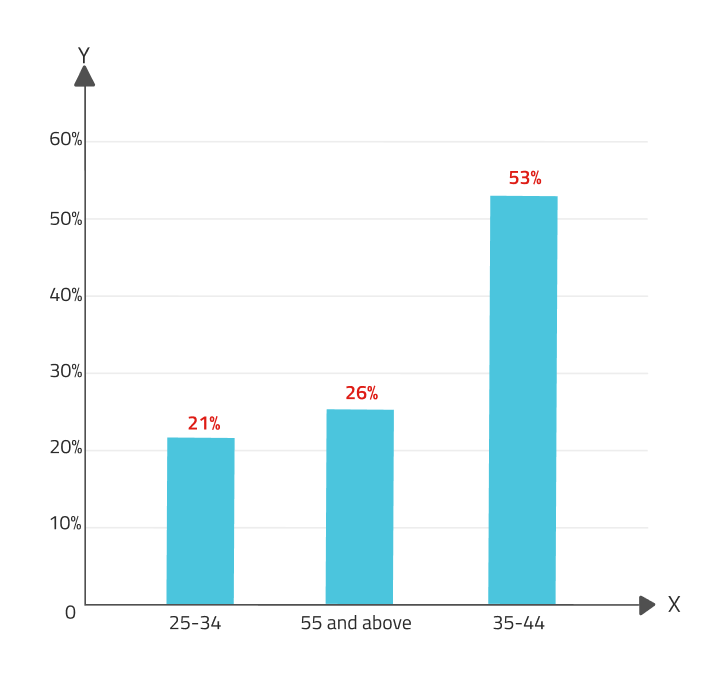
Largest age band (52.9%) 35–44
Purchased mattress in last 3 yrs – 100%
Male / Female Participants 58.8% / 41.2%
<h4> <strong><span class="inlinecolor"> Key Insights</span></strong></h4>- Quality beats price. Comfort and product quality are the top purchase drivers, and consumers consistently choose better quality over a lower price or free add-ons price is a secondary consideration, not the primary one.
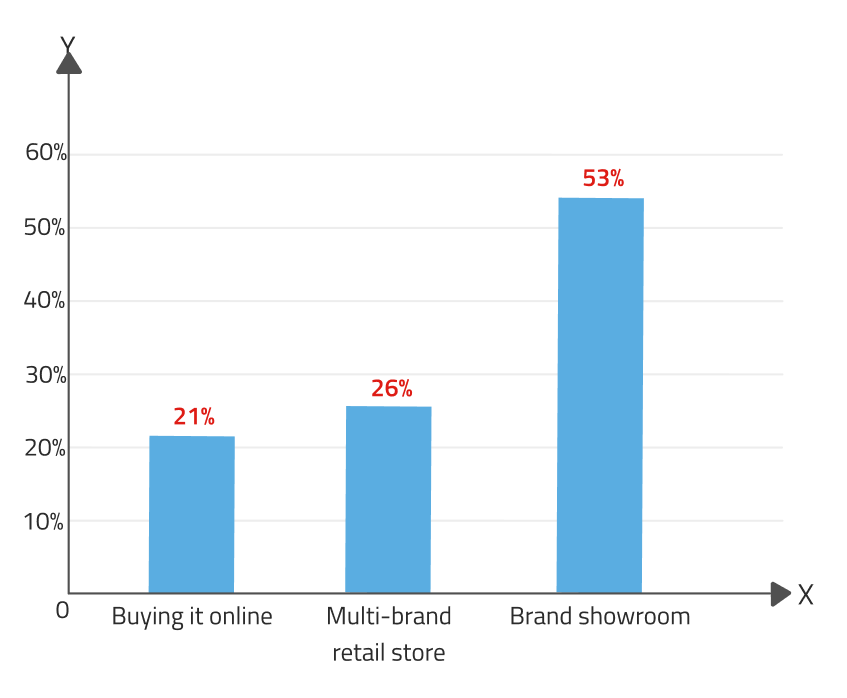
- Trust lives in the showroom. Brand showrooms are the clear preferred purchase channel, significantly outperforming multi-brand retail and online platforms; in-store product experience and trust still close the sale.
- Self-research leads, dealers reinforce. Consumers rely primarily on their own research when deciding what to buy, with store-staff advice acting as an important secondary influence rather than the starting point.
- Brand and price patterns are concentrated. Kurlon, Sleepwell, and Wakefit are the most recognised brands, foam mattresses are the preferred type, and the ₹10,000–₹20,000 range is the dominant price band.
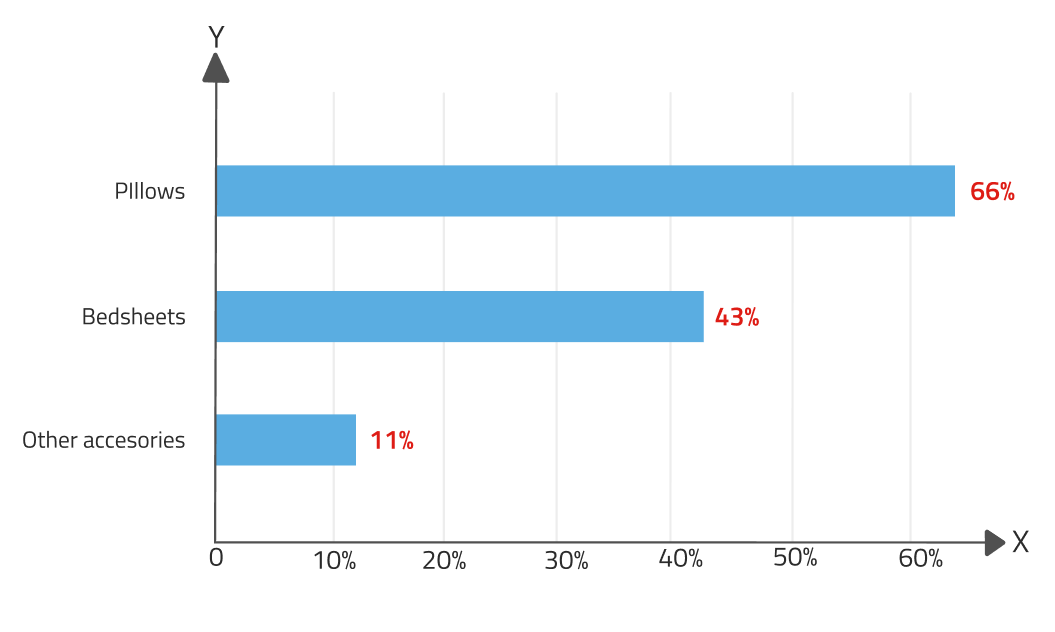
- Cross-selling is already working, not just theoretical. Every respondent received a dealer recommendation, and 58.8% went on to purchase the recommended item pillows and mattress protectors are both the most-purchased and most-recommended add-ons.
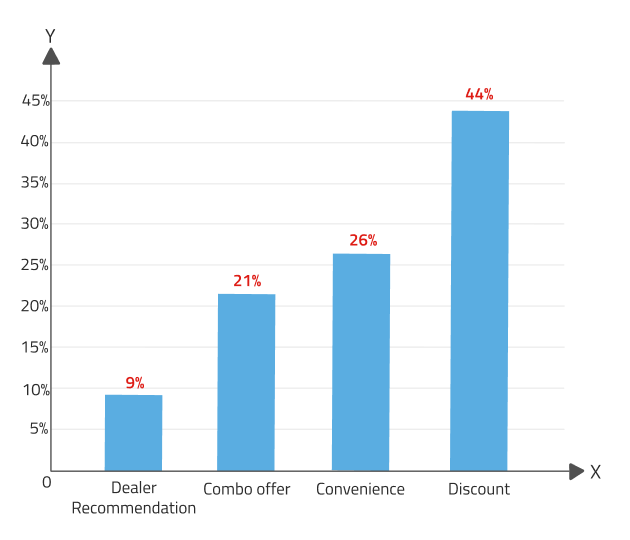
- Discounts move add-ons, not just mattresses. Price discounts are the single strongest lever behind both the core mattress purchase and the extra items added to the basket, ahead of convenience or combo offers.
- Premiumization is landing. Dealers are highly proactive about explaining upgraded options (97.1% of respondents had premium products explained to them), and consumers show a genuine willingness to pay more for better quality.
- Bundled complete sleep solutions are a harder sell. While bedroom customisation and sleep consultation appeal as standalone services, most respondents are not inclined to buy a fully bundled sleep package they prefer choosing components separately.
- Satisfaction and advocacy are near-universal. 100% of respondents report being satisfied or very satisfied and 94.1% say they would definitely recommend their mattress brand a strong foundation as referrals.
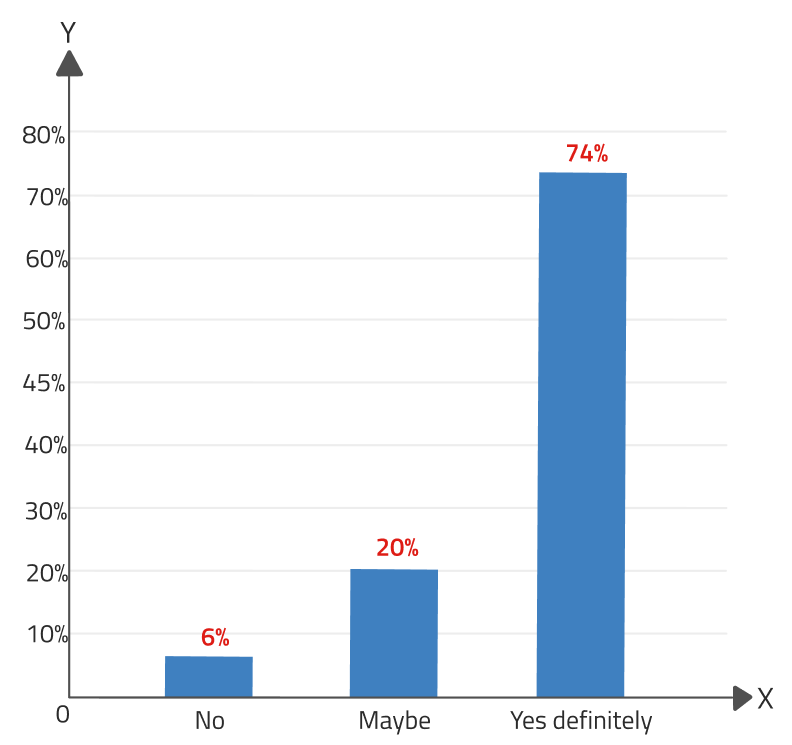
- Recycling demand exists, but has to be effortless. 73.5% would definitely use a pickup and recycling service, with environment-friendly disposal and free pickup as the strongest motivators yet many respondents remain reluctant to actually hand over an old mattress, citing continued reuse value.
- Compensation should be purchase-linked. When asked what would encourage participation in a take-back programme, respondents overwhelmingly preferred a discount on a new mattress over cash or non-monetary rewards, with the value ideally tied to the old mattress’s condition.
<h4> <strong><span class="inlinecolor"> What this means for dealers</span></strong></h4>The findings point to three practical priorities. First, lead with quality, comfort, and in-store experience in marketing and sales conversations rather than competing primarily on price this is what actually drives both the initial purchase and willingness to trade up to premium options. Second, keep investing in point-of-sale recommendation behaviour: the cross-sell motion is already effective, so the bigger opportunity is broadening it beyond pillows and protectors using discount-anchored bundles, since only a minority of consumers want a single all-in-one ‘sleep package.’ Third, treat mattress disposal as an underused growth lever rather than an operational afterthought pairing a simple pickup and recycling service with a purchase-linked discount converts a widely-felt pain point (difficulty disposing of an old mattress) into both a sustainability story and a reason to bring lapsed customers back into the showroom.
<h4> <strong><span class="inlinecolor"> Research Objective</span></strong></h4>- Examine the key factors influencing consumer mattress purchase decisions, including product features, brand preference, pricing, and purchase channels.
- Analyse customer basket behaviour by identifying complementary product purchases and evaluating the effectiveness of dealer cross-selling and upselling strategies.
- Evaluate customer satisfaction, brand loyalty, and post-purchase experiences to understand the factors driving repeat purchases and recommendations.
- Assess consumer preferences for promotional offers, value-added services, bundled sleep solutions, and premium mattress offerings.
- Identify opportunities to enhance dealer revenue, improve customer experience, and promote sustainable business practices through effective product bundling and recycling initiatives.
<h4> <strong><span class="inlinecolor"> Target Segment</span></strong></h4>Age Group 25 to 55 and Above
Coverage Bangalore
Occupation Salaried employees, business owners, and self-employed individuals.
Income Group Middle- and upper-middle-income households (₹25,000 to ₹2,00,000+ per month).
<h4> <strong><span class="inlinecolor"> Sample size</span></strong></h4>Segment
No. of respondents Age Range Location coverage
Sample Size
34 25 to 55 and above Bangalore
<h4> <strong><span class="inlinecolor">Executive summary</span></strong></h4>- This research study examines consumer purchase behaviour in the mattress industry, with a focus on understanding the factors influencing purchase decisions, customer basket behaviour, dealer revenue optimization opportunities, and consumer attitudes towards mattress recycling and sustainable disposal practices. The study aims to provide actionable insights that can help mattress manufacturers and dealers improve customer experience, increase sales through cross-selling and upselling strategies, and promote environmentally responsible business practices.
- The study covered various aspects of the customer journey, including demographic profile, purchase preferences, brand selection, price range, purchase channels, complementary product purchases, dealer recommendations, customer satisfaction, and post-purchase behaviour. The research also explored consumers’ perceptions of old mattress disposal, recycling programs, and the incentives that encourage participation sustainable initiatives.
- The findings indicate that consumers prioritize comfort, product quality, and brand reputation over price when purchasing mattresses. Brand showrooms remain the preferred purchase channel, while pillows and mattress protectors are the most commonly purchased complementary products, highlighting significant opportunities for cross-selling. Promotional offers such as discounts and extended warranties positively influence purchase decisions, and dealer recommendations play an important role in increasing the purchase of additional products.
- The study further reveals a high level of customer satisfaction and strong brand advocacy among respondents. At the same time, consumers face challenges in disposing of old mattresses and show considerable interest in recycling and exchange programs, particularly when supported by incentives such as discounts on new mattresses and free pickup services. These findings suggest that integrating customer-centric sales strategies with sustainable recycling initiatives can enhance customer satisfaction, strengthen brand loyalty, generate additional dealer revenue, and contribute to long-term environmental sustainability within the mattress industry.
<h4> <strong><span class="inlinecolor">Key findings</span></strong></h4>- Consumers prioritize comfort over price when purchasing a mattress, indicating that product quality is the primary purchase driver.
- Kurlon is the most preferred mattress brand, followed closely by Sleepwell and Wakefit, reflecting strong brand recognition in the Bangalore market.
- The ₹10,000–₹20,000 price segment dominates the market, making it the most preferred price range among buyers.
- Brand showrooms are the preferred purchase channel, highlighting the importance of in-store product experience and trust.
- Self-research plays the biggest role in purchase decisions, while dealer recommendations remain an important secondary influence.
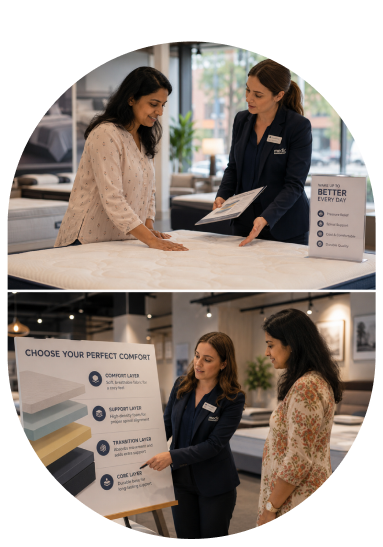
- Dealer recommendations effectively influence additional purchases, with more than half of the respondents buying the recommended products.
- Discounts are the strongest motivator for purchasing add-on products and remain the most preferred promotional offer.
- Consumers are willing to pay a premium for better quality, showing that quality is valued more than freebies or lower prices.
- Customer satisfaction and brand advocacy are exceptionally high, with nearly all respondents willing to recommend their mattress brand.
- Disposing of old mattresses is a major challenge, indicating a gap in existing disposal and after-sales support services.
<h4> <strong><span class="inlinecolor">Key findings (contd...)</span></strong></h4>- Discounts on a new mattress are the most preferred compensation for returning an old mattress, making exchange programs more attractive.
- Consumers show strong interest in mattress recycling and pickup services, especially when supported by free pickup and environmentally responsible disposal.
- There is considerable potential for dealer revenue grow through bundled offerings, premium product promotion, and complementary sleep accessories.
- Environmental sustainability influences purchase decisions, suggesting that recycling and exchange initiatives can strengthen brand preference.
<h4> <strong><span class="inlinecolor">Respondent age distribution </span></strong></h4>The survey is primarily represented by respondents aged 35–44 years (52.9%), indicating that the insights predominantly reflect the perspectives of experienced mid-career professionals. Participation from younger professionals is comparatively lower.
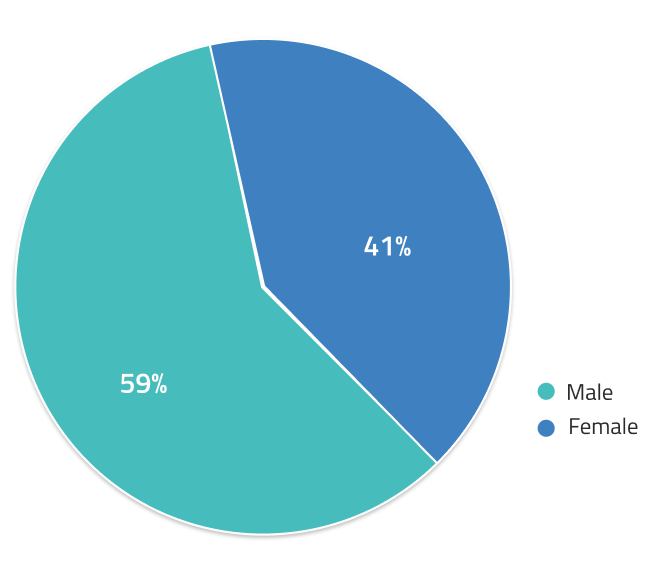
<h4> <strong><span class="inlinecolor">Gender distribution of survey respondents</span></strong></h4>The respondent base is moderately male-dominated, with 58.8% male and 41.2% female participants, indicating a reasonably balanced gender representation while reflecting a stronger male presence in the survey sample.
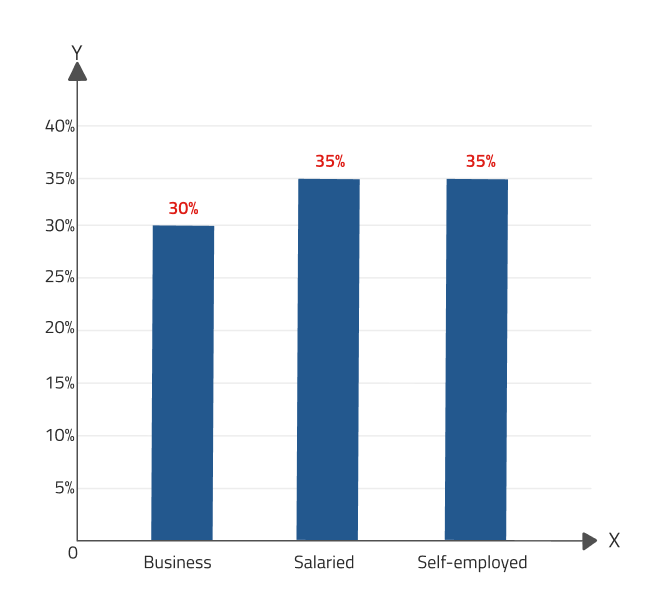
<h4> <strong><span class="inlinecolor">Profile of the respondents who participated in the survey</span></strong></h4>The respondent profile is well distributed across occupational categories, with Salaried and Self-employed individuals jointly forming the largest segments (35.3% each), followed closely by Business owners (29.4%), indicating diverse professional representation in the survey.
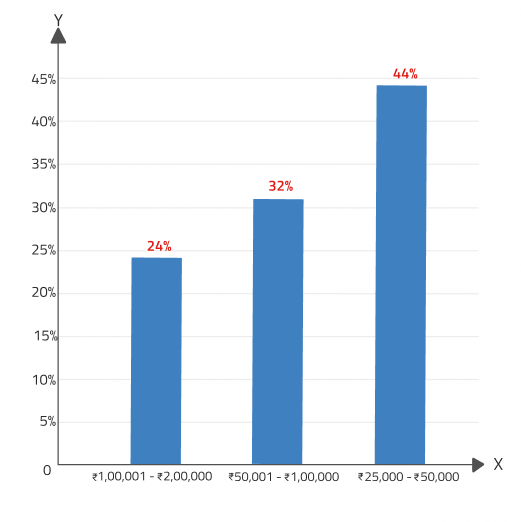
<h4> <strong><span class="inlinecolor">Average monthly household income of the respondents</span></strong></h4>The respondent base is primarily from middle-income households, with the largest share (44.1%) earning ₹25,000–₹50,000 per month, indicating that survey insights largely reflect the perspectives of the middle-income segment.
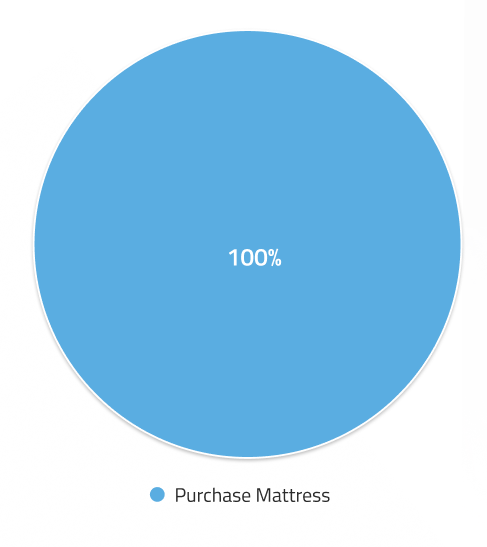
<h4> <strong><span class="inlinecolor">Recent purchase experience</span></strong></h4>All respondents (100%) have purchased a mattress within the last three years, ensuring that the survey findings are based on recent and relevant consumer purchase experiences
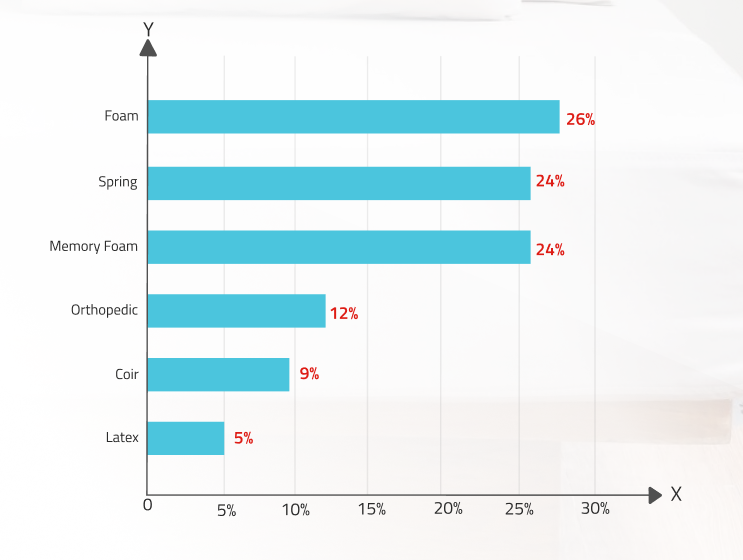
<h4> <strong><span class="inlinecolor">Mattress type preferences</span></strong></h4>Foam mattresses are the most preferred choice among respondents, followed closely by Spring and Memory Foam variants, indicating a strong consumer preference for comfort-oriented mattress types.
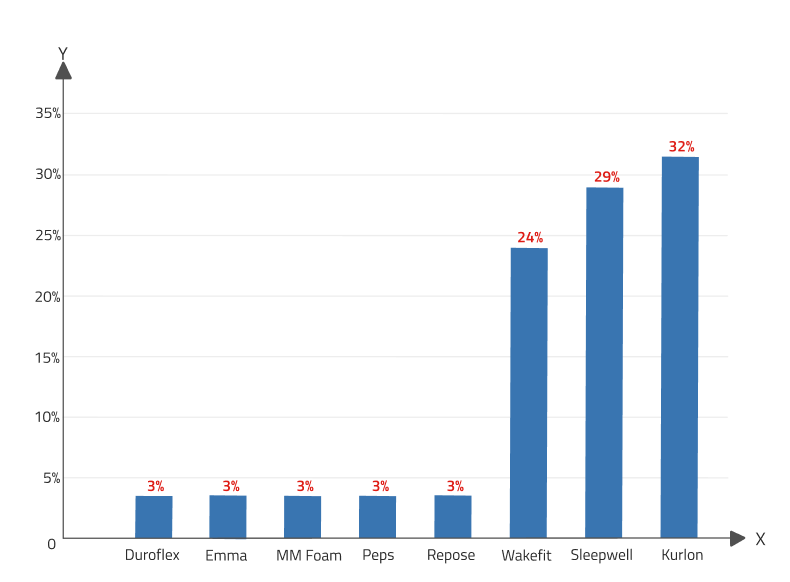
<h4> <strong><span class="inlinecolor">Preferred brand of mattress</span></strong></h4>Kurlon and Sleepwell are the most preferred brand and leads in the market
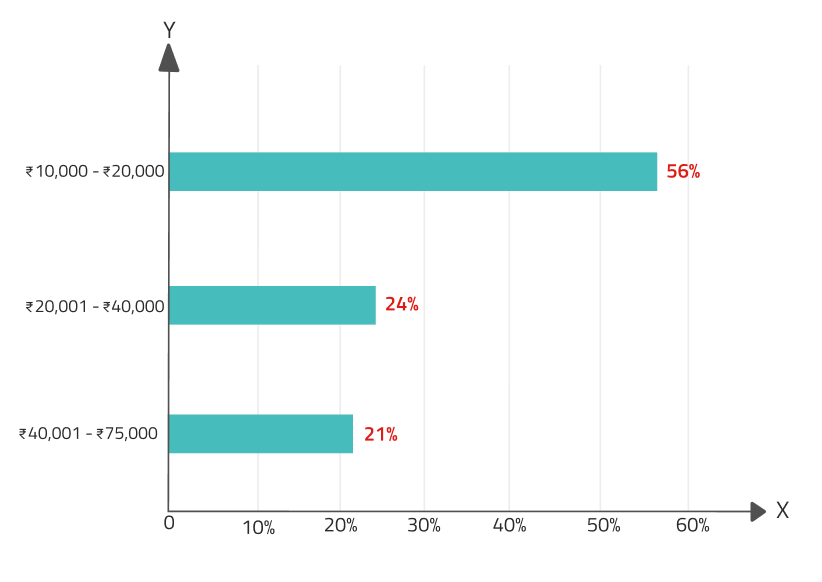
<h4> <strong><span class="inlinecolor">Preferred price range to purchase a mattress</span></strong></h4>The majority of respondents purchased mattresses in the ₹10,000–₹20,000 price range, indicating a strong preference for mid-priced options that balance affordability with quality.
<h4> <strong><span class="inlinecolor">Purchase channels</span></strong></h4>Brand showrooms are the most preferred purchase channel among respondents, significantly outperforming multi-brand retail stores and online platforms, highlighting the importance of in-store product experience and brand trust in mattress purchases.
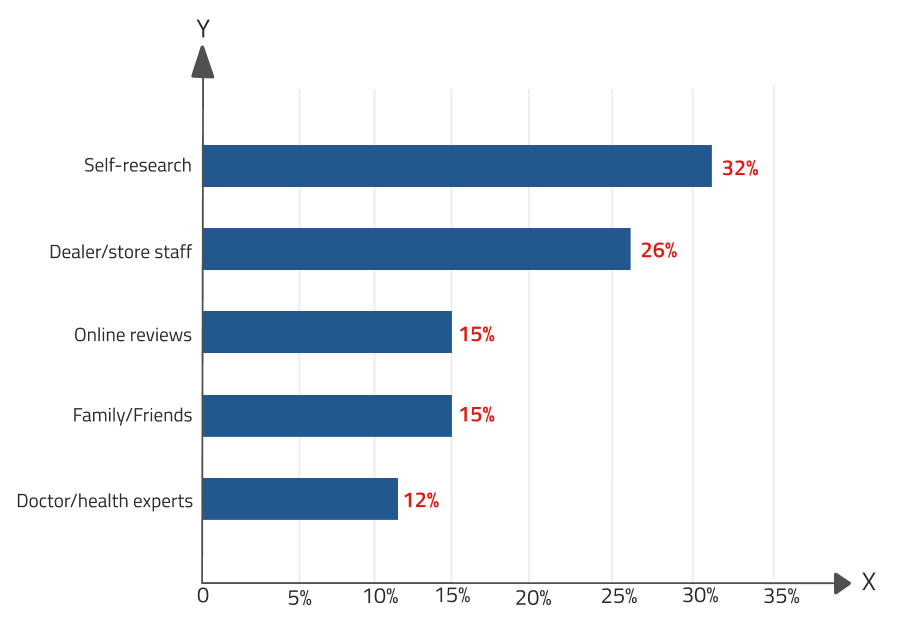
<h4> <strong><span class="inlinecolor">Key influences on purchase decisions</span></strong></h4>Self-research is the leading influence on mattress purchase decisions, followed by dealer/store staff, highlighting that consumers rely primarily on their own evaluation while still valuing expert in-store guidance.
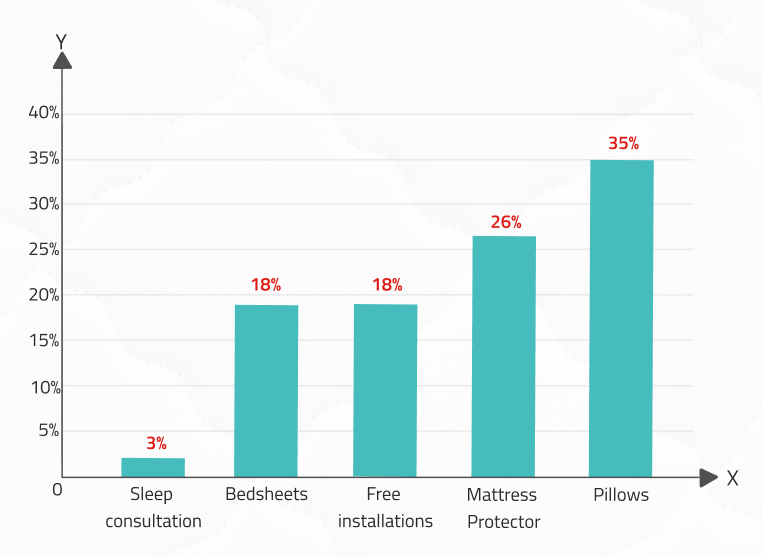
<h4> <strong><span class="inlinecolor">Complementary product and cross sold products</span></strong></h4>Pillows are the most purchased complementary product alongside mattresses, significantly outperforming other accessories, indicating strong cross-selling opportunities within the sleep essentials category.

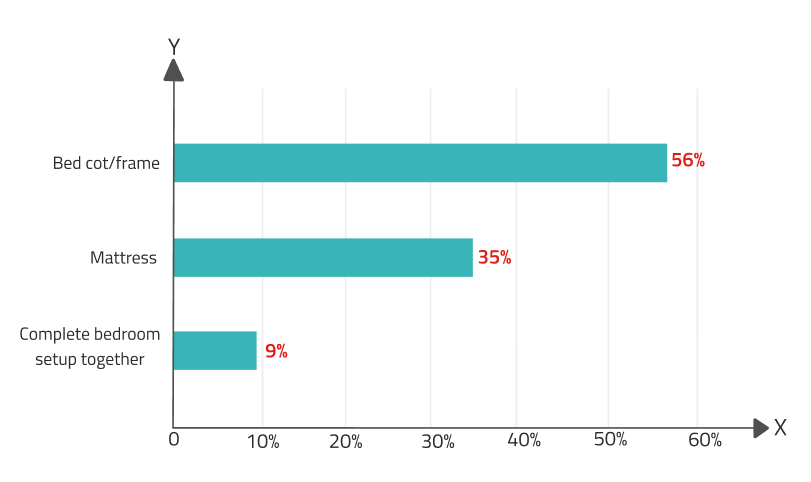
<h4> <strong><span class="inlinecolor">Purchase sequence: Bed cot / Mattress</span></strong></h4>Most respondents purchased the bed cot/frame before the mattress, indicating that bed furniture often drives subsequent mattress purchases, while fewer consumers purchase a complete bedroom setup at once.
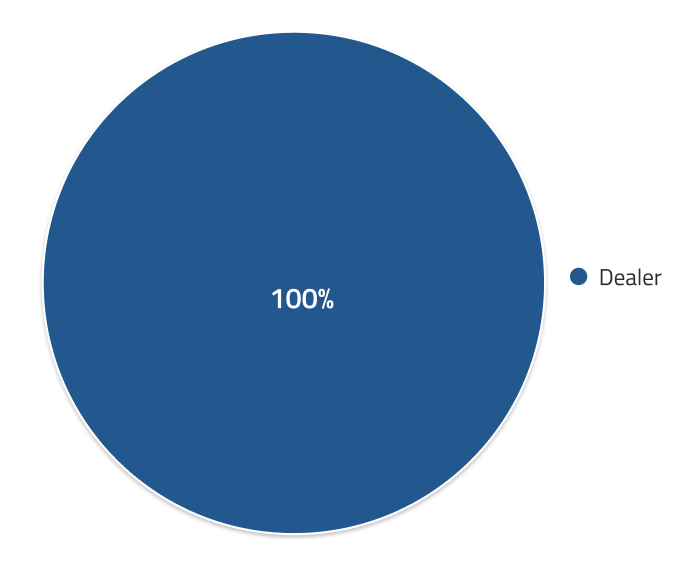
<h4> <strong><span class="inlinecolor">Did the dealer/store recommend additional products</span></strong></h4>Dealer recommendations play a significant role in the purchase journey, with all respondents indicating that additional products were recommended, highlighting strong upselling and cross-selling efforts at the point of sale.
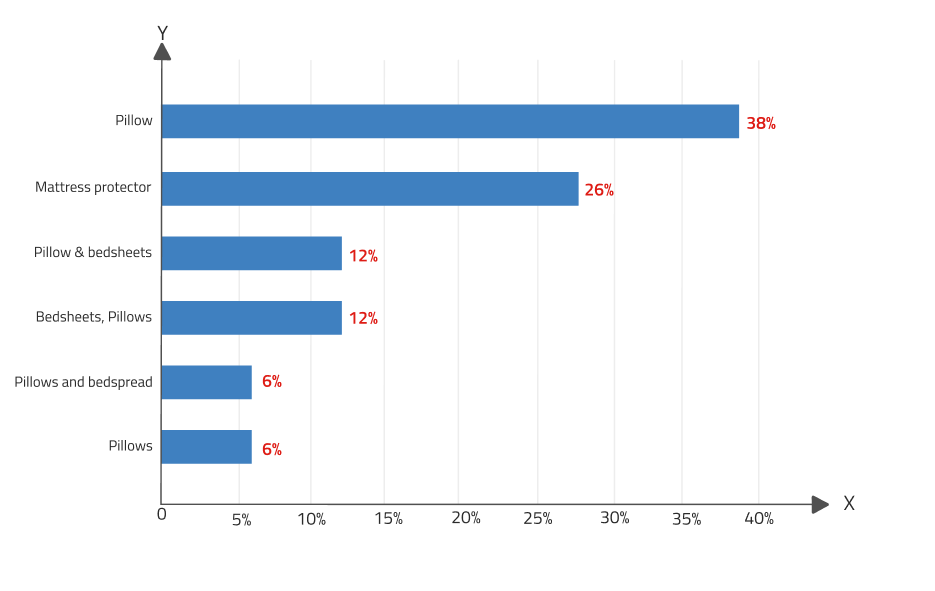
<h4> <strong><span class="inlinecolor">Products recommended</span></strong></h4>Pillows are the most frequently recommended add-on product by dealers, followed by mattress protectors, indicating a strong focus on complementary sleep accessories during the sales process.
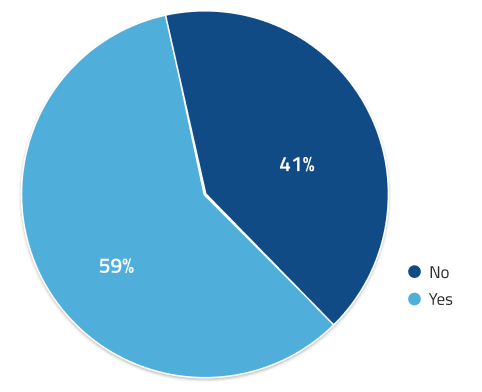
<h4> <strong><span class="inlinecolor">Effectiveness of in-store recommendations </span></strong></h4>A majority of respondents purchased recommended products (58.8%), indicating that in-store recommendations are effective in influencing additional purchases and driving cross-selling opportunities.
<h4> <strong><span class="inlinecolor">Key drivers behind additional product purchases</span></strong></h4>Discounts are the key driver behind additional product purchases, followed by convenience and combo offers, indicating that value-based promotions are highly effective in encouraging cross-category sales.
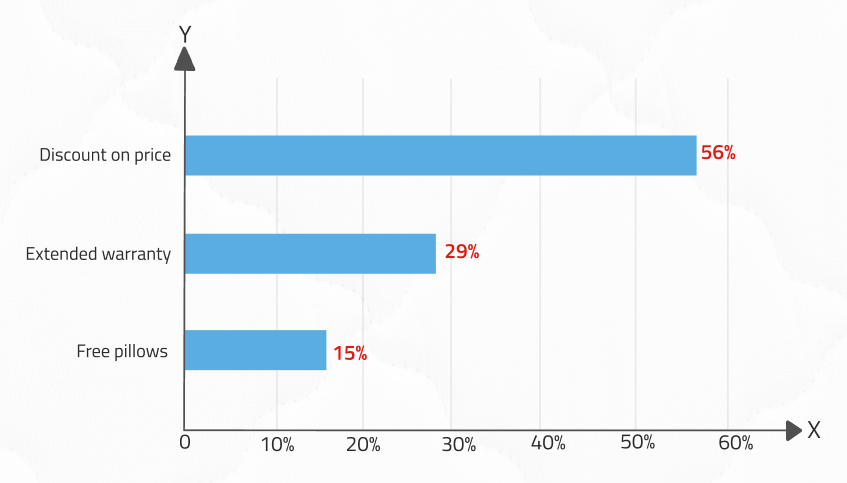
<h4> <strong><span class="inlinecolor">Most influential promotional offers</span></strong></h4>A discount on price is the most influential offer driving mattress purchases, followed by extended warranty, indicating that consumers prioritize both immediate savings and long-term value when making purchase decisions.
<h4> <strong><span class="inlinecolor">Perceived value of freebies and accessories</span></strong></h4>Pillows are perceived as the most valuable freebie, followed by mattress protectors, indicating that consumers prefer practical, sleep-related accessories that enhance the overall mattress purchase experience.
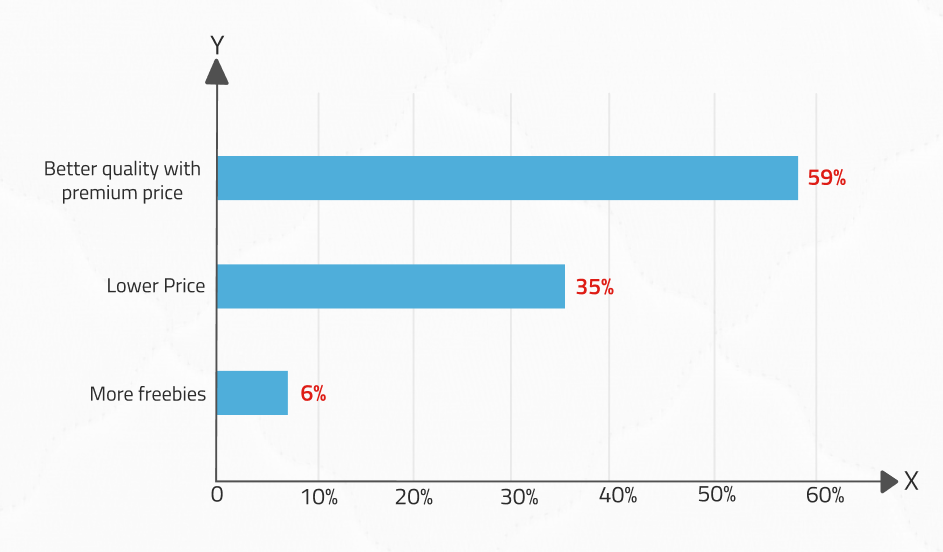
<h4> <strong><span class="inlinecolor">Consumer preference for quality over price</span></strong></h4>Respondents show a clear preference for better quality at a premium price over lower-priced alternatives, indicating that product quality and performance outweigh cost considerations in mattress purchase decisions.
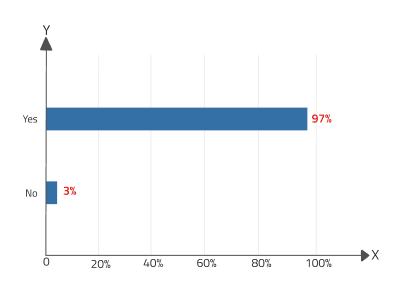
<h4> <strong><span class="inlinecolor">Dealer proactiveness in promoting premium options</span></strong></h4>Dealers are highly proactive in promoting premium mattress options, with 97.1% of respondents reporting that upgraded products were explained, demonstrating strong efforts to drive premiumization and upselling at the point of sale.
<h4> <strong><span class="inlinecolor">Consumers preference on customized sleep solutions</span></strong></h4>Bedroom customization is the most desired value-added service, followed by sleep consultation, indicating that consumers are looking for personalized and holistic bedroom solutions rather than just standalone mattress products.
<h4> <strong><span class="inlinecolor">Desired value-added services and personalization</span></strong></h4>Custom personalization is not highly valued by the respondents, However this is a growing field which can see a growth in the future
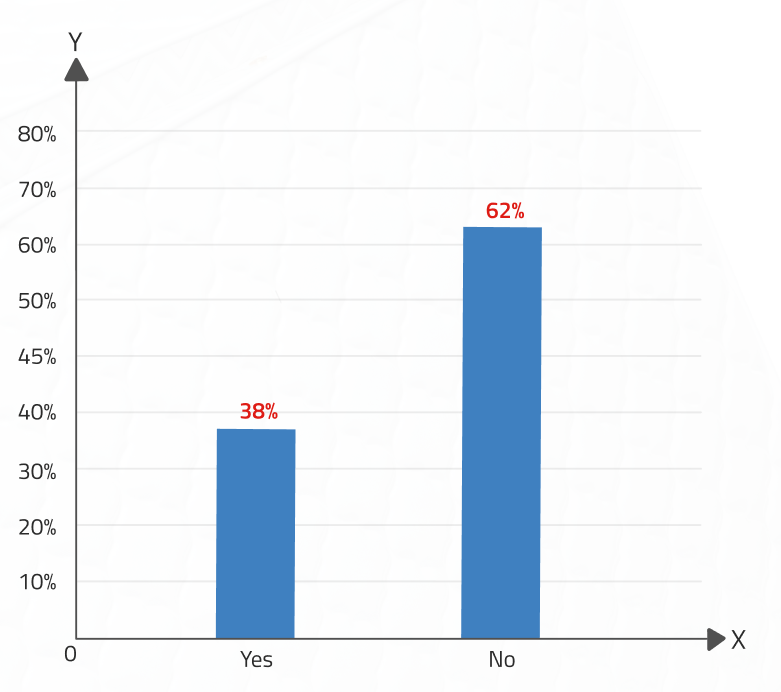
<h4> <strong><span class="inlinecolor">Consumer inclination toward complete sleep packages</span></strong></h4>A majority of respondents are not inclined to purchase a complete sleep solution package, suggesting that consumers prefer buying sleep-related products separately rather than as a bundled offering.
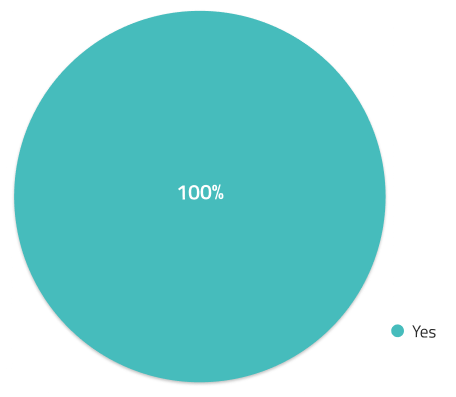
<h4> <strong><span class="inlinecolor">Overall customer satisfaction levels</span></strong></h4>Customer satisfaction is exceptionally high, with 100% of respondents reporting being either satisfied or very satisfied with their mattress purchase, reflecting a strong overall consumer experience and product acceptance.

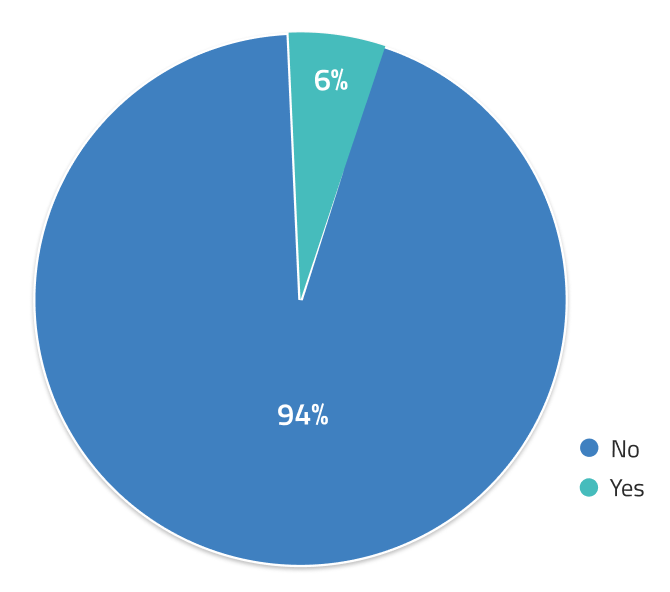
<h4> <strong><span class="inlinecolor">Brand advocacy and word-of-mouth potential</span></strong></h4>Brand advocacy is extremely strong, with 94.1% of respondents stating they would definitely recommend their mattress brand, reflecting high customer satisfaction and strong word-of-mouth potential.
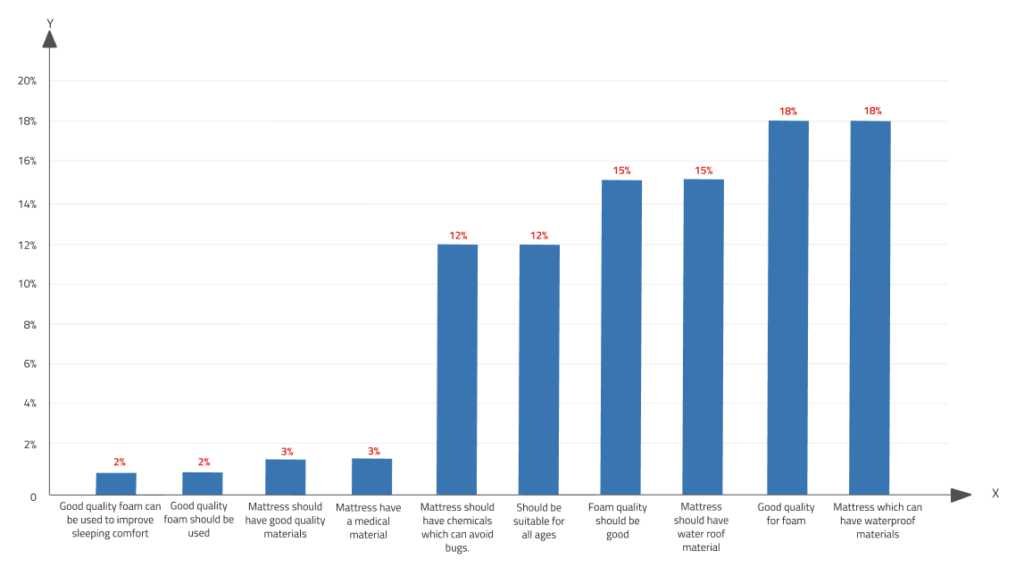
<h4> <strong><span class="inlinecolor">Key areas for improvement: Consumer feedback</span></strong></h4>Respondents’ feedback primarily emphasizes the need for better foam quality and waterproof features, highlighting durability, comfort, and product protection as the key areas for improvement in the mattress buying experience.
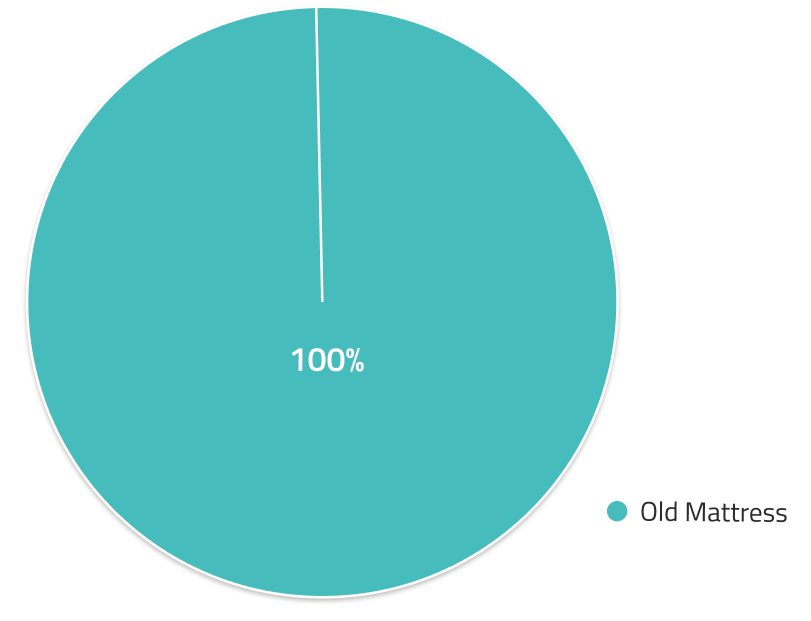
<h4> <strong><span class="inlinecolor">Current Practices for Managing Old Mattresses</span></strong></h4>Most respondents continue using their old mattress in another room, indicating a strong tendency to extend product usage rather than dispose of or exchange it, which may limit demand for mattress exchange programs.
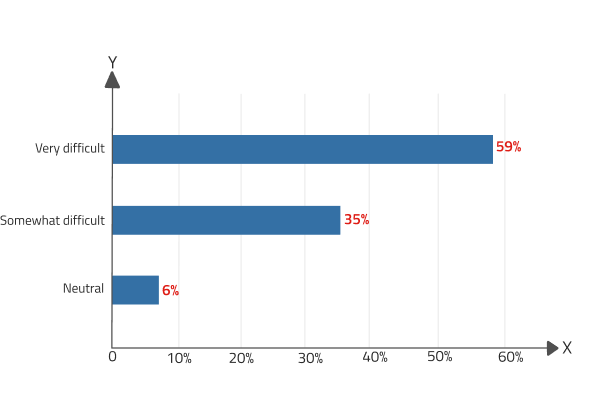
<h4> <strong><span class="inlinecolor">Challenges in Disposing of Old Mattresses</span></strong></h4>Disposing of an old mattress remains a challenge for most consumers, with 94.1% finding the process somewhat or very difficult, highlighting a strong opportunity for brands to offer convenient exchange, pickup, or recycling services.
<h4> <strong><span class="inlinecolor">Consumer Interest in Pickup and Recycling Services</span></strong></h4>Interest in an old mattress pickup and recycling service is very high, with 73.5% of respondents definitely willing to use it, highlighting strong demand for convenient and sustainable mattress disposal solutions.

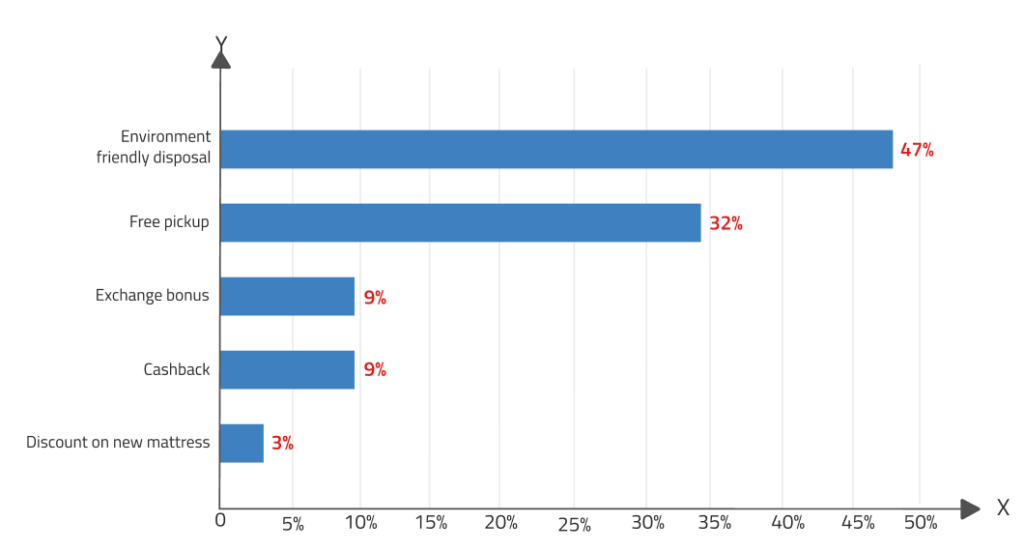
<h4> <strong><span class="inlinecolor">Motivators for participating in recycling programs</span></strong></h4>Environment-friendly disposal and free pickup are the strongest motivators for consumers to recycle their old mattresses, indicating that convenience and sustainability are key drivers of participation in mattress recycling programs.
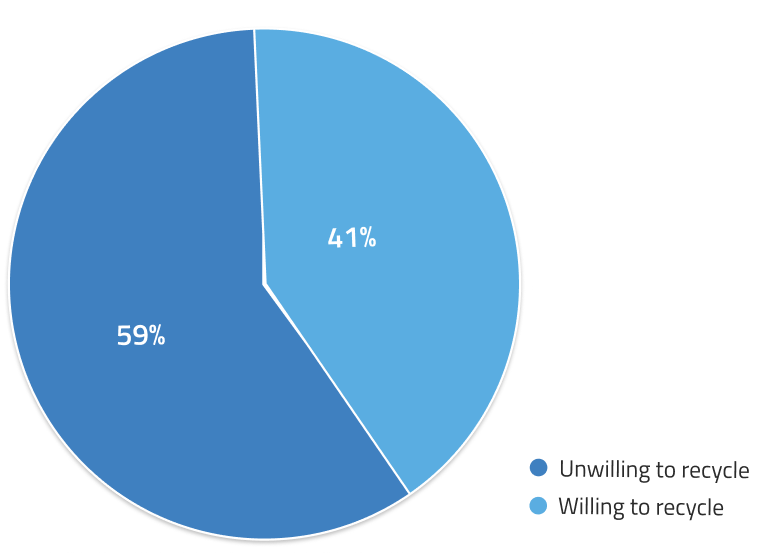
<h4> <strong><span class="inlinecolor">Barriers to handing over old mattresses for recycling</span></strong></h4>Despite strong interest in mattress pickup and recycling services, a majority of respondents are still unwilling to hand over their old mattress for recycling, suggesting that attachment to reuse and perceived residual value continue to outweigh recycling intentions.
This study explores consumer buying behaviour in the mattress industry, focusing on purchase drivers, complementary product buying, dealer cross-selling opportunities, and responsible mattress disposal preferences.
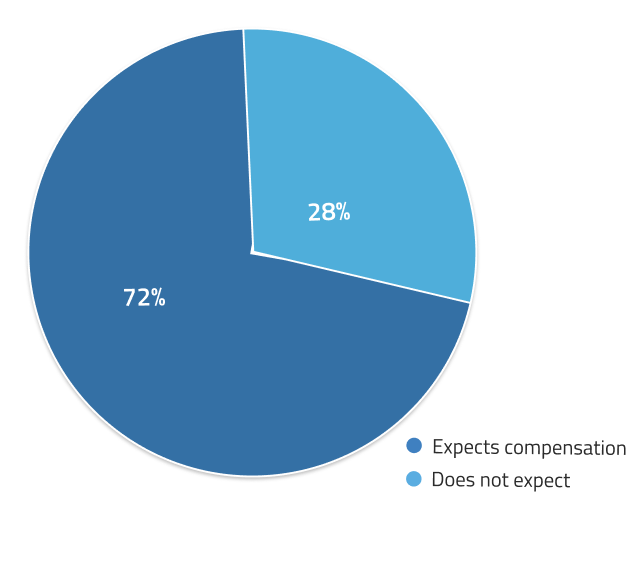
<h4> <strong><span class="inlinecolor">Expectations for compensation and financial incentives</span></strong></h4>A majority of respondents expect some form of compensation when returning their old mattress, indicating that incentives such as discounts, exchange benefits, or cashback could play a key role in encouraging participation in mattress take-back and recycling programs.
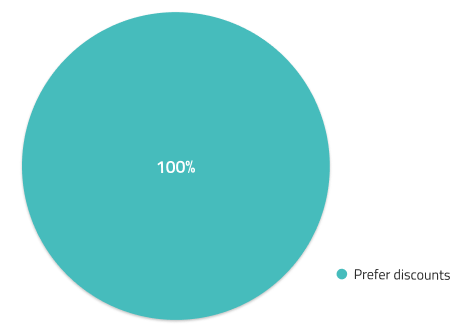
<h4> <strong><span class="inlinecolor">Preferred forms of compensation for old mattresses</span></strong></h4>Respondents overwhelmingly prefer discounts on a new mattress as compensation for returning their old mattress, indicating that purchase-linked incentives are more attractive than direct monetary rewards or non-monetary benefits.
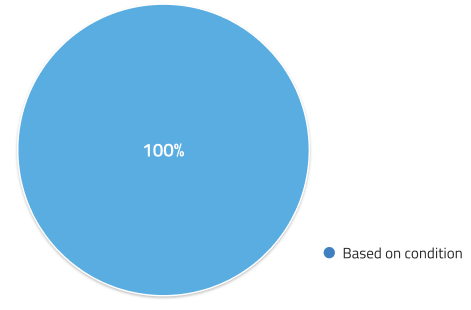
<h4> <strong><span class="inlinecolor">Criteria for determining compensation value</span></strong></h4>Respondents expect the value of compensation for returning an old mattress to be linked to the mattress condition, indicating a preference for fair and flexible exchange benefits rather than a fixed incentive amount.
<h4> <strong><span class="inlinecolor">Importance of environmental responsibility in purchases</span></strong></h4>Environmental responsibility is a significant consideration in mattress purchases, with all respondents rating it as important or very important, indicating strong consumer awareness and support for sustainable disposal and recycling initiatives.
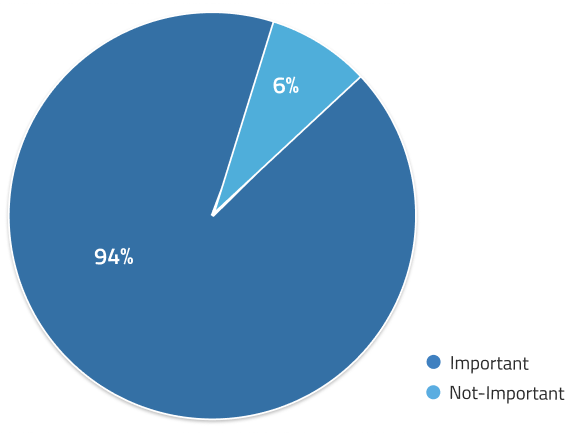
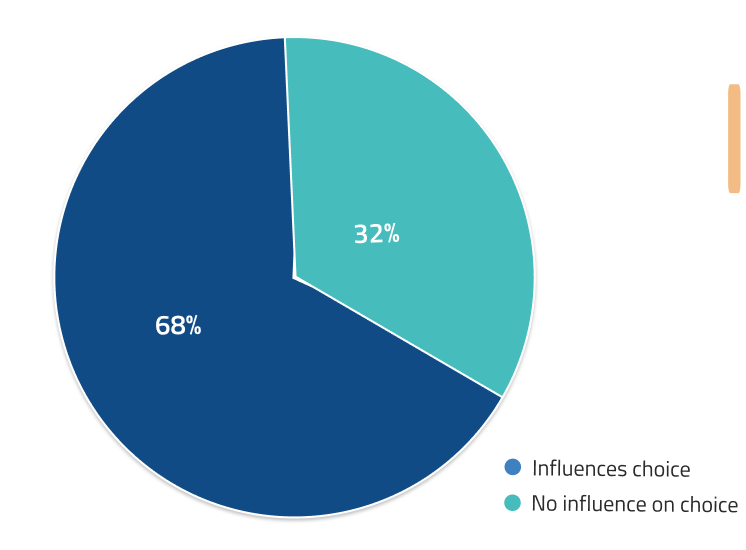
<h4> <strong><span class="inlinecolor">Impact of recycling programs on brand choice and purchase decisions</span></strong></h4>A mattress recycling or exchange program has the potential to positively impact purchase decisions, with the majority of respondents indicating it would somewhat influence their choice, suggesting that such initiatives can enhance brand appeal and consumer consideration.