
Read More →
Read More →
The B2B healthcare opportunity :
Chronic diseases and their links to sleep
Read More →
Read More →
The B2B healthcare opportunity : Chronic diseases and their links
to sleep
Read More →
June 17th 2026
Read More →
June 17th 2026
A mattress plays a crucial role in overall well-being by directly influencing the quality of deep sleep, which in turn shapes physical health, energy levels, and daily productivity. While sleep is often discussed in terms of habits and routines, the body ultimately responds to the physical support it receives through the night.
Historically viewed as a passive state of rest or a nightly shutdown, sleep is now recognized by science as a highly dynamic biological process essential for bodily defense and repair. It serves as one of the most powerful tools for strengthening the immune system, acting as a silent architecture that builds resistance against infections and restores cellular integrity. During these hours, the body is not merely recovering from the day; it is actively defending itself, regulating hormones, and preparing to meet future physical and environmental challenges.
June 10th 2026. Comfort Times Magazine

The relationship between deep sleep and immunity
The link between sleep and the immune system is bidirectional, while quality sleep bolsters immune function, the body naturally induces sleepiness during illness as an adaptive response to promote healing.
Cytokine production : During the deep, slow-wave stages of sleep, the immune system becomes highly active, producing essential messenger proteins known as cytokines, such as Interleukin-1 and Interleukin-6.
Cellular efficiency : Immune cells, including T-cells and Natural Killer (NK) cells, become significantly more efficient at identifying and destroying pathogens during restorative sleep.
Consequences of deprivation : Even a single night of partial sleep restriction can rapidly reduce the activity of these NK cells, creating a pro-inflammatory state that increases vulnerability to cardiovascular and metabolic disorders.
The mattress as a foundation for recovery
The role of a mattress has undergone a fundamental shift, evolving from a basic household staple into a sophisticated instrument for preventive wellness that directly determines the body's ability to maintain the deep, restorative sleep essential for long-term health. At the core of this functionality is structural support; a high-quality surface must precisely align with an individual’s unique body type and preferred sleep position to offer optimal pressure relief and spinal support. Without this alignment, an unsuitable mattress can trigger micro-disturbances. Subtle interruptions caused by poor support or heat retention that disrupt sleep cycles without fully waking the individual, effectively stripping away time spent in the most restorative stages of rest.
June 10th 2026. Comfort Times Magazine
By providing a scientifically calibrated healing environment, a proper mattress ensures even weight distribution and unrestricted blood flow. “An orthopedic mattress is engineered to accommodate these cervical, thoracic, and lumbar curves through zoned support systems. It provides a firmer base beneath heavier regions like the pelvis while allowing slight cushioning at the shoulders and hips, preventing the hammock effect that strains spinal ligaments overnight.” says Dr. Sreehari C K, Senior Consultant Orthopaedic Surgeon. This physiological stability is vital for the efficient delivery of oxygen and nutrients required to repair tissues, regulate the immune system, and accelerate recovery following muscle injuries or surgical procedures. “A well-designed surface distributes body weight evenly, reducing stress on joints and improving blood flow. This not only enhances comfort but also reduces morning stiffness and long-term musculoskeletal strain.”, adds Dr.Sreehari.
Environmental factors and sleep hygiene
The intersection of spinal ergonomics and advanced mattress engineering, moving beyond the outdated notion that a sleep surface should be a uniform, flat plane. Because the human spine is composed of a complex series of natural cervical, thoracic, and lumbar curves, a "one-size-fits-all" firmness level often fails to provide the necessary physiological support. Modern orthopedic innovation addresses this through zoned support systems, which are strategically engineered to provide a firmer base beneath heavier regions like the pelvis while allowing for gentler cushioning at the shoulders and hips. This targeted pressure distribution is essential to prevent the "hammock effect," a common issue in sagging or poorly designed mattresses that causes the spine to curve unnaturally, straining ligaments and muscles throughout the night. the application of sleep ergonomics is increasingly viewed as a vital form of long-term musculoskeletal maintenance, similar to how ergonomic chairs prevent strain in the workplace.
June 10th 2026. Comfort Times Magazine
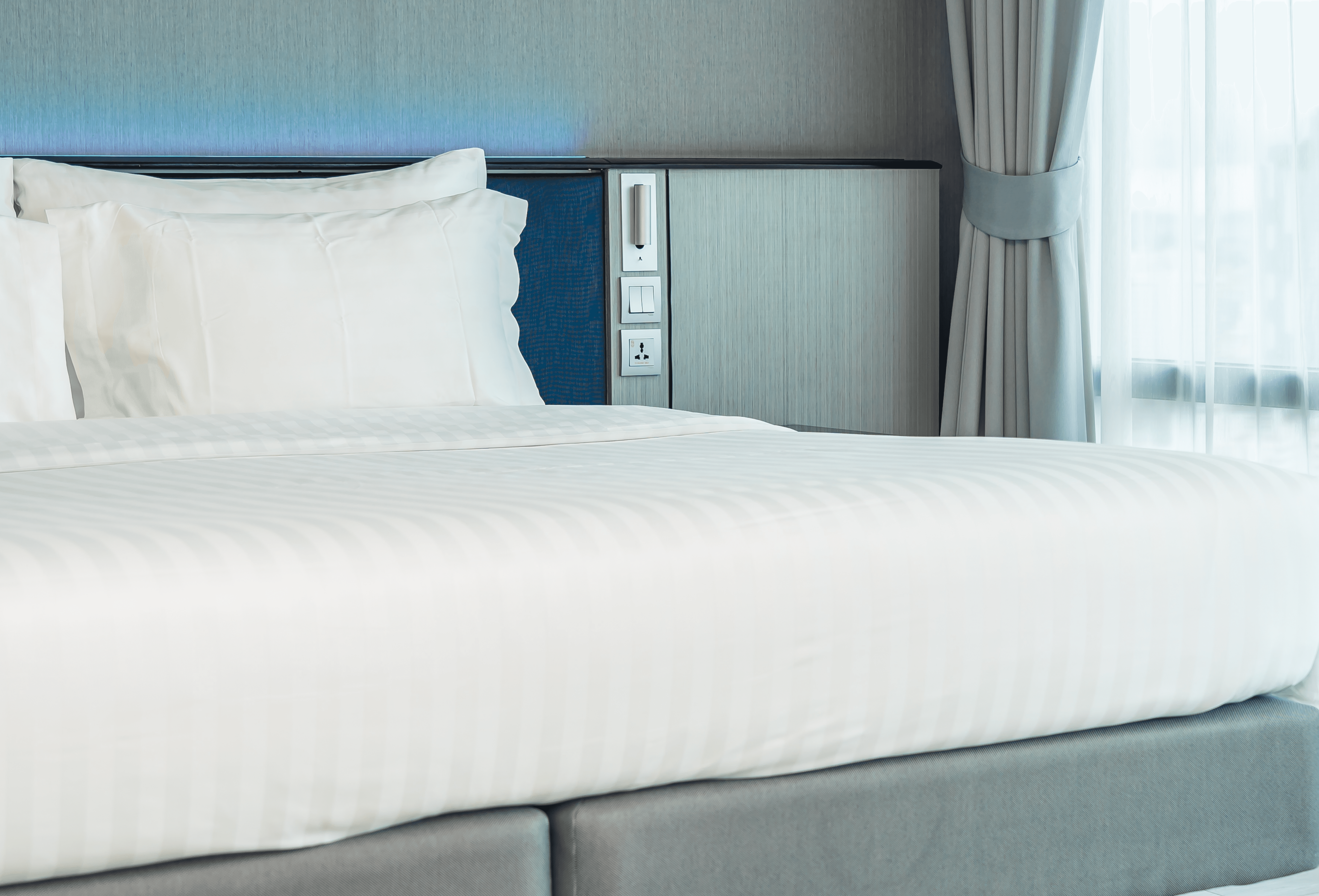
A scientifically calibrated mattress does more than offer temporary comfort, it facilitates the essential overnight process where spinal discs rehydrate and recover from the day's compressive forces.
curve unnaturally, straining ligaments and muscles throughout the night. the application of sleep ergonomics is increasingly viewed as a vital form of long-term musculoskeletal maintenance, similar to how ergonomic chairs prevent strain in the workplace.
A scientifically calibrated mattress does more than offer temporary comfort, it facilitates the essential overnight process where spinal discs rehydrate and recover from the day's compressive forces. “As we age, the body’s sleep–wake cycle becomes more fragile, and even minor discomforts can disrupt restorative sleep. Sleep is not merely a period of rest, it is a critical regulatory phase for the cardiovascular system.” says Dr. Jamaludheen C.V, Senior Medical Professional and Professor. By distributing body weight evenly, these advanced designs eliminate localized pressure points that can restrict micro-circulation and blood flow to vital tissues. Over time, this proactive approach to sleep surface selection helps prevent the cumulative physical damage that leads to chronic back pain, morning stiffness, and reduced mobility, ultimately supporting an individual’s independence and physical health as they age. “A poorly suited sleep surface, for instance, can aggravate back pain, affect circulation, and contribute to fragmented sleep. Ultimately, mattress selection should be viewed not just as a lifestyle choice, but as a health decision.” adds Dr. Jamaludheen C.V.
June 10th 2026. Comfort Times Magazine
Mental well-being and cognitive performance
The relationship between a sleep surface and mental health is profound, as the quality of a mattress directly dictates the brain's ability to complete the essential cognitive and emotional processing cycles required for daily functioning. “With rising awareness around spinal health, orthopedic mattresses are fast becoming a mainstream choice for consumers seeking long-term well-being.” says Ms. Lavanya Pachisia, CEO of Repose Mattress. A poorly designed, unsupportive, or aging mattress often leads to fragmented rest, causing the brain to trigger frequent micro-arousals to correct physical discomfort or poor spinal alignment. While these brief moments of semi-wakefulness may not be remembered the next morning, they prevent the brain from staying in the deeper stages of sleep long enough to perform vital housekeeping tasks. Over time, this lack of sleep continuity subtly but significantly heightens psychological stress, increases irritability, and results in a state of persistent mental fatigue that diminishes overall quality of life.
This structural support is particularly critical during REM (Rapid Eye Movement) sleep, a stage where the brain is highly active and tasked with memory consolidation, emotional regulation, and complex neural development. “Innovation for us is not about adding features, but about improving how people sleep, by aligning product design with proven principles of support, comfort, and recovery” adds Mrs.Lavanya. If the body is restless due to pressure points or heat retention, the REM cycle is often the first to be disrupted, leaving the individual emotionally reactive and cognitively impaired. By providing a stable, pressure-relieving, and supportive environment that enables uninterrupted movement through all necessary sleep stages, a high-quality mattress allows the mind to recover with clarity. Consequently, investing in the right sleep surface ensures that the brain can effectively process the previous day's experiences, leading to significantly better focus, improved emotional balance, and peak cognitive performance the following day.
Investing in the right sleep surface ensures that the brain can effectively process and improve focus, emotional balance and cognitive performance for the following day.
June 10th 2026. Comfort Times Magazine

Conclusion
The transition of the mattress from a simple furniture item to a critical tool for preventive wellness marks a fundamental shift in how we approach long-term health. As detailed across the previous sections, sleep is a dynamic biological "defense" mechanism that facilitates immune efficiency, tissue repair, and cognitive recalibration. “Humidity often leads to discomfort as traditional materials tend to retain moisture.”, adds Mr.Vivek G, Keralam, Sales Head of Duroflex. The modern mattress has evolved from a basic household staple into a sophisticated tool for preventive wellness, essential for sustaining the deep, restorative sleep required for physical and mental health. By providing precise structural support and spinal alignment tailored to an individual's body type, a high-quality surface eliminates micro-disturbances, subtle interruptions caused by poor support or heat retention that fragment sleep cycles. This scientifically calibrated environment ensures even weight distribution and unrestricted blood flow, which is vital for the efficient delivery of oxygen and nutrients needed to repair tissues and bolster the immune system. Ultimately, specialized sleep ergonomics act as a form of long-term musculoskeletal maintenance, preventing cumulative physical damage and chronic pain while ensuring the brain can effectively complete the emotional and cognitive processing necessary for daily clarity.
June 10th 2026. Comfort Times Magazine
June 10th 2026. Comfort Times Magazine
The relationship between deep sleep and immunity
The link between sleep and the immune system is bidirectional, while quality sleep bolsters immune function, the body naturally induces sleepiness during illness as an adaptive response to promote healing.
Cytokine production : During the deep, slow-wave stages of sleep, the immune system becomes highly active, producing essential messenger proteins known as cytokines, such as Interleukin-1 and Interleukin-6.
Cellular efficiency : Immune cells, including T-cells and Natural Killer (NK) cells, become significantly more efficient at identifying and destroying pathogens during restorative sleep.
Consequences of deprivation : Even a single night of partial sleep restriction can rapidly reduce the activity of these NK cells, creating a pro-inflammatory state that increases vulnerability to cardiovascular and metabolic disorders.
The mattress as a foundation for recovery
The role of a mattress has undergone a fundamental shift, evolving from a basic household staple into a sophisticated instrument for preventive wellness that directly determines the body's ability to maintain the deep, restorative sleep essential for long-term health. At the core of this functionality is structural support; a high-quality surface must precisely align with an individual’s unique body type and preferred sleep position to offer optimal pressure relief and spinal support. Without this alignment, an unsuitable mattress can trigger micro-disturbances. Subtle interruptions caused by poor support or heat retention that disrupt sleep cycles without fully waking the individual, effectively stripping away time spent in the most restorative stages of rest.
A mattress plays a crucial role in overall well-being by directly influencing the quality of deep sleep, which in turn shapes physical health, energy levels, and daily productivity. While sleep is often discussed in terms of habits and routines, the body ultimately responds to the physical support it receives through the night.
Historically viewed as a passive state of rest or a nightly shutdown, sleep is now recognized by science as a highly dynamic biological process essential for bodily defense and repair. It serves as one of the most powerful tools for strengthening the immune system, acting as a silent architecture that builds resistance against infections and restores cellular integrity. During these hours, the body is not merely recovering from the day; it is actively defending itself, regulating hormones, and preparing to meet future physical and environmental challenges.
By providing a scientifically calibrated healing environment, a proper mattress ensures even weight distribution and unrestricted blood flow. “An orthopedic mattress is engineered to accommodate these cervical, thoracic, and lumbar curves through zoned support systems. It provides a firmer base beneath heavier regions like the pelvis while allowing slight cushioning at the shoulders and hips, preventing the hammock effect that strains spinal ligaments overnight.” says Dr. Sreehari C K, Senior Consultant Orthopaedic Surgeon. This physiological stability is vital for the efficient delivery of oxygen and nutrients required to repair tissues, regulate the immune system, and accelerate recovery following muscle injuries or surgical procedures. “A well-designed surface distributes body weight evenly, reducing stress on joints and improving blood flow. This not only enhances comfort but also reduces morning stiffness and long-term musculoskeletal strain.”, adds Dr.Sreehari.
Environmental factors and sleep hygiene
The intersection of spinal ergonomics and advanced mattress engineering, moving beyond the outdated notion that a sleep surface should be a uniform, flat plane. Because the human spine is composed of a complex series of natural cervical, thoracic, and lumbar curves, a "one-size-fits-all" firmness level often fails to provide the necessary physiological support. Modern orthopedic innovation addresses this through zoned support systems, which are strategically engineered to provide a firmer base beneath heavier regions like the pelvis while allowing for gentler cushioning at the shoulders and hips. This targeted pressure distribution is essential to prevent the "hammock effect," a common issue in sagging or poorly designed mattresses that causes the spine to curve unnaturally, straining ligaments and muscles throughout the night. the application of sleep ergonomics is increasingly viewed as a vital form of long-term musculoskeletal maintenance, similar to how ergonomic chairs prevent strain in the workplace.
Mental well-being and cognitive performance
The relationship between a sleep surface and mental health is profound, as the quality of a mattress directly dictates the brain's ability to complete the essential cognitive and emotional processing cycles required for daily functioning. “With rising awareness around spinal health, orthopedic mattresses are fast becoming a mainstream choice for consumers seeking long-term well-being.” says Ms. Lavanya Pachisia, CEO of Repose Mattress. A poorly designed, unsupportive, or aging mattress often leads to fragmented rest, causing the brain to trigger frequent micro-arousals to correct physical discomfort or poor spinal alignment. While these brief moments of semi-wakefulness may not be remembered the next morning, they prevent the brain from staying in the deeper stages of sleep long enough to perform vital housekeeping tasks. Over time, this lack of sleep continuity subtly but significantly heightens psychological stress, increases irritability, and results in a state of persistent mental fatigue that diminishes overall quality of life.
This structural support is particularly critical during REM (Rapid Eye Movement) sleep, a stage where the brain is highly active and tasked with memory consolidation, emotional regulation, and complex neural development. “Innovation for us is not about adding features, but about improving how people sleep, by aligning product design with proven principles of support, comfort, and recovery” adds Mrs.Lavanya. If the body is restless due to pressure points or heat retention, the REM cycle is often the first to be disrupted, leaving the individual emotionally reactive and cognitively impaired. By providing a stable, pressure-relieving, and supportive environment that enables uninterrupted movement through all necessary sleep stages, a high-quality mattress allows the mind to recover with clarity. Consequently, investing in the right sleep surface ensures that the brain can effectively process the previous day's experiences, leading to significantly better focus, improved emotional balance, and peak cognitive performance the following day.
Conclusion
The transition of the mattress from a simple furniture item to a critical tool for preventive wellness marks a fundamental shift in how we approach long-term health. As detailed across the previous sections, sleep is a dynamic biological "defense" mechanism that facilitates immune efficiency, tissue repair, and cognitive recalibration. “Humidity often leads to discomfort as traditional materials tend to retain moisture.”, adds Mr.Vivek G, Keralam, Sales Head of Duroflex. The modern mattress has evolved from a basic household staple into a sophisticated tool for preventive wellness, essential for sustaining the deep, restorative sleep required for physical and mental health. By providing precise structural support and spinal alignment tailored to an individual's body type, a high-quality surface eliminates micro-disturbances, subtle interruptions caused by poor support or heat retention that fragment sleep cycles. This scientifically calibrated environment ensures even weight distribution and unrestricted blood flow, which is vital for the efficient delivery of oxygen and nutrients needed to repair tissues and bolster the immune system. Ultimately, specialized sleep ergonomics act as a form of long-term musculoskeletal maintenance, preventing cumulative physical damage and chronic pain while ensuring the brain can effectively complete the emotional and cognitive processing necessary for daily clarity.
A scientifically calibrated mattress does more than offer temporary comfort, it facilitates the essential overnight process where spinal discs rehydrate and recover from the day's compressive forces.
curve unnaturally, straining ligaments and muscles throughout the night. the application of sleep ergonomics is increasingly viewed as a vital form of long-term musculoskeletal maintenance, similar to how ergonomic chairs prevent strain in the workplace.
A scientifically calibrated mattress does more than offer temporary comfort, it facilitates the essential overnight process where spinal discs rehydrate and recover from the day's compressive forces. “As we age, the body’s sleep–wake cycle becomes more fragile, and even minor discomforts can disrupt restorative sleep. Sleep is not merely a period of rest, it is a critical regulatory phase for the cardiovascular system.” says Dr. Jamaludheen C.V, Senior Medical Professional and Professor. By distributing body weight evenly, these advanced designs eliminate localized pressure points that can restrict micro-circulation and blood flow to vital tissues. Over time, this proactive approach to sleep surface selection helps prevent the cumulative physical damage that leads to chronic back pain, morning stiffness, and reduced mobility, ultimately supporting an individual’s independence and physical health as they age. “A poorly suited sleep surface, for instance, can aggravate back pain, affect circulation, and contribute to fragmented sleep. Ultimately, mattress selection should be viewed not just as a lifestyle choice, but as a health decision.” adds Dr. Jamaludheen C.V.